Personalized Medical Care & Dedicated International Patient Concierge


Specialty Overview
Rhinoplasty by Type
Rhinoplasty by type refers to an approach that classifies patients by their specific nasal shape concern first, then selects the surgical technique suited to that shape.
Schedule a ConsultationWhat Does Rhinoplasty by Type Mean in ENT and Nose Surgery?  Rhinoplasty by type refers to an approach that classifies patients by their specific nasal shape concern first, then selects the surgical technique suited to that shape — rather than applying one generic rhinoplasty method to every patient. Common shape categories include a low nasal bridge (insufficient height), an upturned or short nose (nostrils appear too visible from the front), a bulbous nose (rounded, undefined tip), a wide nose (broad bridge or base), a crooked nose (asymmetric or off-center alignment), a hump nose (a raised bump along the bridge, sometimes called an aquiline nose), an arrow or long nose (an elongated profile), and oversized nostrils addressed through alar (nostril) reduction. In practice, each shape calls for a different structural correction: a low bridge may be addressed with implant or cartilage augmentation, a hump nose with bone and cartilage reduction, a wide nose with osteotomy (controlled bone repositioning) or alar base narrowing, and a crooked nose with septal and bony realignment. Diagnostic imaging (3D-CT and nasal endoscopy) is used beforehand to confirm which underlying structures are contributing to the visible shape concern. This differs from a one-technique-fits-all approach, since a bridge augmentation method appropriate for a low nasal bridge would not address a hump nose or nostril width concern. Matching the technique to the specific nose type is intended to produce a more anatomically appropriate and natural-looking result than a standardized procedure applied regardless of starting shape. * * * ## Advanced Rhinoplasty by Type in ENT and Nose Surgery — Key Procedure for Expert, Patient-Focused Care Patients often arrive with a very specific concern about their nose's shape — a bridge that looks flat in photos, a hump they've disliked since adolescence, nostrils that feel too visible from certain angles, or a noticeable asymmetry that's hard to describe but easy to notice in the mirror. These concerns are frequently long-standing, and many patients have wondered for years whether their particular nose shape could realistically be corrected, or whether their concern is "too specific" to address well. It's understandable to feel unsure whether a general rhinoplasty consultation will properly address a shape concern that feels very particular to your own face. Patients do not have to settle for a generic outcome, and a shape-specific evaluation can clarify exactly which structures are contributing to the concern you see. At GNG Hospital, this concern is met with a classification-based approach: rather than starting from a single preferred technique, the surgical team first identifies which of the eight recognized nose-type categories best matches the patient's anatomy, using 3D-CT and endoscopic evaluation to confirm the underlying bone and cartilage structure. This allows the surgical plan — whether it involves bridge augmentation, hump reduction, osteotomy, alar narrowing, or a combination — to be built specifically around the shape the patient is presenting with, rather than adapting a generic method after the fact. * * * ## Specialty Services & Treatments for Rhinoplasty by Type and Main Conditions in ENT and Nose Surgery
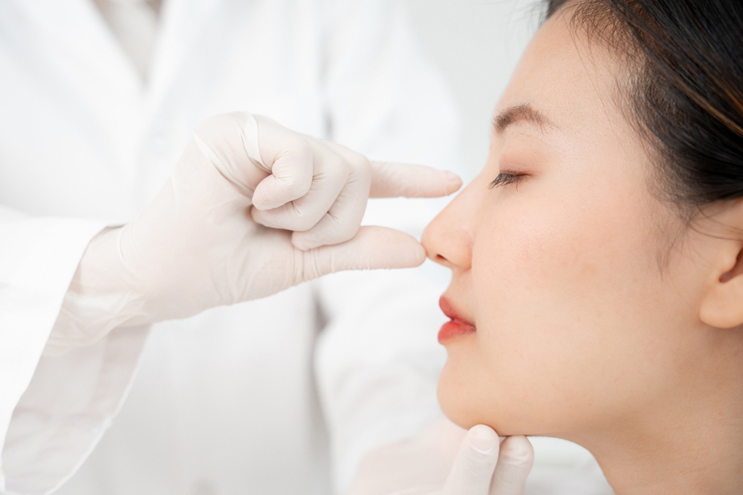 GNG Hospital's Rhinoplasty by Type program addresses the following nose shapes: - Low Nasal Bridge — Augmentation of an insufficiently projected nasal bridge using implant or cartilage grafting techniques
- Upturned Nose/Short Nose — Correction of a nose that appears too short or upturned, adjusting tip and bridge proportion for better facial balance
- Bulbous Nose — Refinement of a rounded, undefined nasal tip through cartilage reshaping
- Alar (Nostril) Reduction — Narrowing of the nostril base and width for patients with oversized or overly visible nostrils
- Wide Nose — Narrowing of an overly broad nasal bridge or base, often through controlled bone repositioning
- Crooked Nose — Realignment of an asymmetric or off-center nose, addressing both bony and cartilaginous structure
- Hump Nose (Aquiline Nose) — Reduction of a raised bump along the nasal bridge to create a smoother profile line
- Arrow Nose/Long Nose — Shortening or reproportioning of an elongated nasal profile This clinic's strength lies in recognizing that no two shape concerns require the same surgical solution, and in offering a dedicated technique — or combination of techniques — for each of these eight distinct categories rather than treating "rhinoplasty" as a single undifferentiated procedure. * * * ## Why Choose GNG Hospital Rhinoplasty Clinic for Rhinoplasty by Type in ENT and Nose Surgery
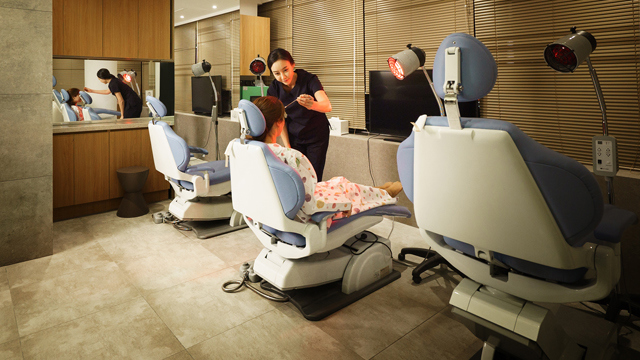 Choosing a clinic for shape-specific rhinoplasty means choosing a team capable of recognizing which structural factors are driving your particular concern — not just performing a standard procedure. Clinic USPs: - Shape-first diagnostic classification. Rather than defaulting to one preferred technique, the surgical team first identifies which of the recognized nose-type categories matches the patient's anatomy before selecting a surgical approach.
- Dedicated technique for each nose type. From bridge augmentation for a low nasal bridge to bone repositioning for a wide nose, each of the eight shape categories has its own tailored surgical pathway.
- 3D-CT and endoscopic planning for every case. Pre-surgical imaging confirms the specific bone and cartilage structure behind the visible shape concern, supporting more accurate technique selection.
- Combined correction for overlapping shape concerns. Many patients present with more than one shape factor at once — such as a low bridge alongside a bulbous tip — and the surgical plan can address multiple categories within a single procedure.
- ENT-rooted surgical team. As an ENT-led clinic, the team brings structural and functional nasal expertise to cosmetic shape correction, relevant when a shape concern (such as a crooked nose) overlaps with breathing structure. Patients evaluating where to address a specific nose shape concern are encouraged to consider whether a clinic offers a genuinely tailored approach for their particular shape, rather than a single generalized rhinoplasty technique. * * * ## Meet the Specialists in Rhinoplasty by Type |
 |
 |
 |
| --- | --- | --- |
| Dr. Yong-Hae Seong ENT Specialist | Dr. Sung-Moon Hong ENT Specialist | Dr. Sung-Hun Lee ENT Specialist |
| |
 |
 |
| Dr. Young-Ha Lee Board-Certified ENT Specialist | Dr. Sun-Hong Kim ENT Specialist | Dr. Hee-Jung Park Anesthesiology Doctor | GNG Hospital's Rhinoplasty by Type team includes: - Dr. Yong-Hae Seong — ENT Specialist with over 26 years of experience; Associate Professor, Catholic University of Korea; trained through internship and residency at Gangnam St. Mary's Hospital - Dr. Sung-Moon Hong — ENT Specialist with over 21 years of experience; Associate Professor, Korea University; holds a Doctor's Degree in Medicine from Korea University
- Dr. Sung-Hun Lee — ENT Specialist with over 20 years of experience; trained at Seoul St. Mary's Hospital, where he also served as a Rhinologist
- Dr. Young-Ha Lee — ENT Specialist; Board-Certified at Yeungnam University Hospital, with clinical and assistant professor roles at Wonju Severance Christian Hospital and prior clinical instruction at Asan Medical Center, Seoul
- Dr. Sun-Hong Kim — ENT Specialist; trained at Inje University Medical College and the Catholic Medical Center; Clinical Professor at Catholic University of Korea, Seoul St. Mary's Hospital
- Dr. Hee-Jung Park — Specialist in Anesthesia with over 21 years of experience, supporting the surgical team's patient safety protocols during rhinoplasty by type procedures Across the team, care is grounded in a shared, evidence-based approach: classifying each patient's nasal shape concern first through diagnostic imaging, then matching the surgical technique — augmentation, reduction, narrowing, or realignment — to that specific nose type. * * * ## International Patients & Global Support for Rhinoplasty by Type Care Patients traveling from abroad for shape-specific rhinoplasty can expect a structured process designed to support evaluation and planning from a distance, with detailed in-person diagnostic assessment once they arrive for consultation and surgery. International patients considering care at GNG Hospital typically benefit from: - Pre-arrival consultation coordination to discuss which nose-type category most closely matches their concern
- On-site 3D-CT and endoscopic diagnostic evaluation to confirm underlying bone and cartilage structure
- Clear explanation of which shape-specific technique or combination of techniques is being recommended and why
- Post-treatment follow-up guidance to support recovery after returning home From first inquiry to the return trip home, the goal is a clear, well-coordinated medical journey — one where international patients receive the same shape-specific diagnostic rigor applied to domestic patients. * * * ## Real Patient Journeys for Rhinoplasty by Type ### Patient 1 A patient in her mid-twenties was concerned about a low nasal bridge that made her profile appear flat in photos. Following 3D-CT evaluation, an implant-based bridge augmentation plan was developed to match her facial proportions. The patient reported a more defined profile during follow-up visits. ### Patient 2 A patient in his early thirties had long been self-conscious about a hump nose, with a visible bump along the bridge that he felt disrupted his profile. Diagnostic imaging confirmed the bony and cartilaginous structure of the hump, and a reduction technique was used to smooth the bridge line. The patient reported improved profile balance during follow-up. Individual results vary based on each patient's underlying nasal anatomy and starting shape, and any patient considering shape-specific rhinoplasty should undergo a full diagnostic evaluation before treatment decisions are made. * * * ## What to Expect from Rhinoplasty by Type Treatment Process ### Step 1: Initial Consultation Your visit begins with a discussion of your specific shape concern — whether that's bridge height, tip shape, nostril width, symmetry, or profile length — followed by 3D-CT imaging and nasal endoscopy to confirm the underlying bone and cartilage structure. ### Step 2: Personalized Treatment Plan Based on which nose-type category your concern falls into, your surgeon outlines the tailored technique — or combination of techniques — suited to your anatomy, whether that involves augmentation, reduction, narrowing, or realignment. ### Step 3: Ongoing Follow-Up After surgery, your care team monitors healing, swelling resolution, and structural stability, adjusting post-treatment guidance as needed. For international patients, follow-up communication is coordinated to support recovery after returning home. * * * ## Final CTA for Rhinoplasty by Type & Main Procedures Ready for a Nose Shape That's Truly Yours? Talk to GNG Hospital's Rhinoplasty Team Today Whether your concern is a low bridge, a hump, a wide or bulbous tip, oversized nostrils, a crooked profile, or an elongated shape, a precise diagnostic evaluation is the first step toward understanding which technique fits your specific nose type. GNG Hospital's ENT-led rhinoplasty team classifies each case by shape before recommending a surgical plan — not the other way around. You don't have to wonder whether your particular concern is one the clinic can properly address. Schedule a Consultation To speak with our care team directly and arrange a diagnostic evaluation, please contact GNG Hospital's appointment desk. Our coordinators can guide you through scheduling, required pre-visit information, and — for patients traveling from abroad — the process for coordinating your consultation and treatment timeline in advance.
Related Services
Procedures available within our clinical departments.

Cosmetic Revision Rhinoplasty
Cosmetic Revision Rhinoplasty addresses dissatisfaction with the aesthetic outcome of a prior nose surgery — whether that's an asymmetric result, a bridge or tip shape that didn't turn out as planned, a visible or palpable implant, or an overall proportion…
Learn More

Implant-Free Rhinoplasty
Implant-Free Rhinoplasty (also called No-Implant) raises the nasal bridge and shapes the tip using zero synthetic implants — no silicone, no Gore-Tex.
Learn More

Hump Nose (Aquiline Nose)
Hump nose correction is often assumed to be a simple matter of shaving down the protruding bone — but that assumption misses an important structural reality.
Learn More