Personalized Medical Care & Dedicated International Patient Concierge


Revision Rhinoplasty · Needs Clinic Confirmation
Cosmetic Revision Rhinoplasty
Cosmetic Revision Rhinoplasty addresses dissatisfaction with the aesthetic outcome of a prior nose surgery — whether that's an asymmetric result, a bridge or tip shape that didn't turn out as planned, a visible or palpable implant, or an overall proportion…
Schedule a ConsultationWhat Is Cosmetic Revision Rhinoplasty?  Cosmetic Revision Rhinoplasty addresses dissatisfaction with the aesthetic outcome of a prior nose surgery — whether that's an asymmetric result, a bridge or tip shape that didn't turn out as planned, a visible or palpable implant, or an overall proportion that doesn't suit the patient's face. Unlike a first-time rhinoplasty, revision surgery must work around existing scar tissue, altered anatomy, and sometimes previously placed implant material, which is why it's generally considered more technically demanding than primary rhinoplasty. GNG Hospital's approach to cosmetic revision begins with a thorough diagnostic re-evaluation, since understanding exactly what happened structurally during the first surgery — not just what the current result looks like — is essential to planning an effective correction. This is particularly important because a purely aesthetic complaint can sometimes trace back to a structural cause, such as weakened cartilage support or an implant that has shifted or warped over time. * * * ## Who Needs Cosmetic Revision Rhinoplasty? Cosmetic Revision Rhinoplasty is suited to patients dissatisfied with the aesthetic result of a previous nose surgery: - Adults in their 20s through 50s unhappy with the shape, height, or proportion of a previous rhinoplasty result
- Patients experiencing visible or palpable implant edges, or an implant that has shifted position over time
- Individuals with nasal asymmetry that developed or became more noticeable after a prior surgery
- Patients whose bridge or tip appears unnatural, overly stiff, or disproportionate to their facial features
- Those who feel their first surgeon didn't fully understand their aesthetic goals and want a more thorough consultation process this time
- Patients interested in transitioning from a synthetic implant to an autologous tissue-based result for a more natural appearance
- Individuals concerned about long-term stability of their revision result, given a history of change after the first surgery
- Patients seeking a second opinion on whether their current result can realistically be improved through further surgery * * * ## Meet the Specialists Behind GNG Hospital's Cosmetic Revision Rhinoplasty |
 |
 |
 |
 |
 |
| --- | --- | --- | --- | --- |
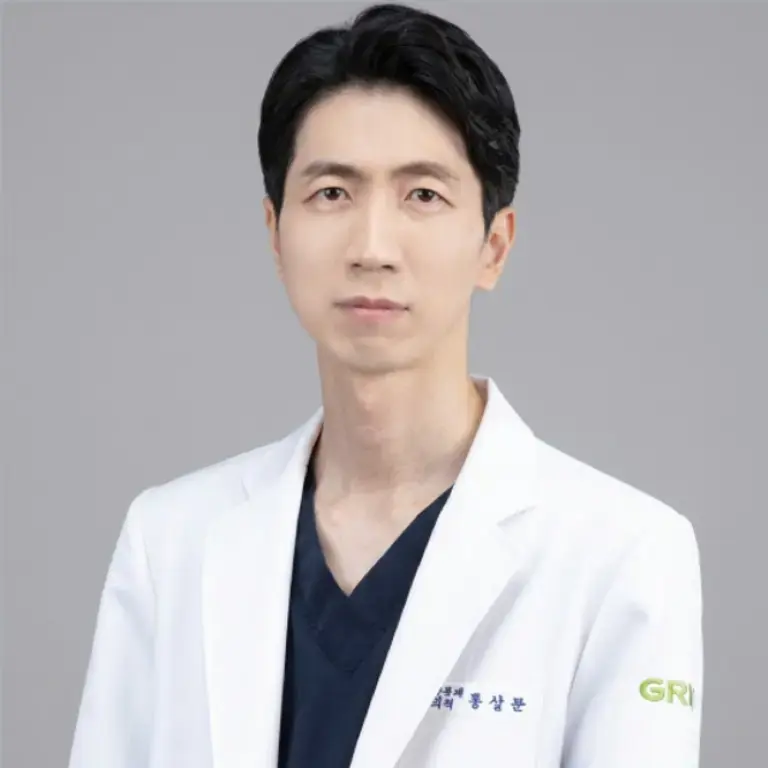
| Dr. Yong-Hae Seong Director of the Rhinoplasty Clinic | Dr. Sung-Moon Hong ENT Doctor | Dr. Sung-Hun Lee ENT Doctor | Dr. Young-Ha Lee Board-certified ENT specialist | Dr. Sun-Hong Kim ENT Doctor | Dr. Hee-Jung Park Anesthesiology Specialist GNG Hospital's Cosmetic Revision Rhinoplasty is performed by a team whose depth of experience supports this more technically demanding category of surgery: - Dr. Yong-Hae Seong, Director of the Rhinoplasty Clinic, brings over 26 years of ENT practice and a background as a former Associate Professor at the Catholic University of Korea, trained at Gangnam St. Mary's Hospital.
- Dr. Sung-Moon Hong contributes more than 21 years of ENT experience, holding a Doctor of Medicine from Korea University and a former Associate Professorship there.
- Dr. Sung-Hun Lee, with over 20 years in ENT, completed dedicated rhinologist training at Seoul St. Mary's Hospital under the Catholic University of Korea system.
- Dr. Young-Ha Lee is a board-certified ENT specialist and lifetime member of the Korean Society of Facial Plastic & Reconstructive Surgery, trained at Asan Medical Center and Wonju Severance Christian Hospital.
- Dr. Sun-Hong Kim serves as a Clinical Professor across Catholic University of Korea and Seoul St. Mary's Hospital, with expertise spanning rhinoplasty, sleep surgery, and laser treatments. Supporting the surgical team, Dr. Hee-Jung Park, an Anesthesiology Specialist with 21+ years of experience, ensures patient safety and comfort throughout the revision procedure. This team shares a common surgical philosophy: a successful revision starts with fully understanding what happened in the first surgery, not simply attempting to reshape the current result without that context. * * * ## Cosmetic Revision Rhinoplasty Treatment Areas and Expected Improvements GNG Hospital's Cosmetic Revision Rhinoplasty addresses the specific aesthetic concerns patients bring after a prior surgery: - Nasal Bridge: Corrected for issues such as visible implant edges, asymmetry, or a shape that doesn't suit the patient's facial proportions, often using updated diagnostic imaging to plan the revision.
- Nasal Tip: Refined when the tip appears unnatural, overly stiff, disproportionate, or has shifted in shape or position since the original surgery.
- Alar and Overall Contour: Addressed when asymmetry or imbalance in the lower nose affects overall facial harmony, considered alongside the bridge and tip for a cohesive result.
- Implant-Related Concerns: For patients whose current implant has become visible, palpable, or has shifted, revision surgery can involve implant removal and replacement or a transition to autologous tissue depending on the patient's goals and anatomy. Expected improvements generally include a more proportionate, natural-looking result that better addresses the patient's original aesthetic goals. As with any revision procedure, results and recovery vary by individual, and no specific outcome is guaranteed — revision surgery in particular carries inherent limitations based on the condition of existing tissue and prior surgical changes. * * * ## Cosmetic Revision Rhinoplasty Process and Timeline |
 |
 |
 |
| --- | --- | --- |
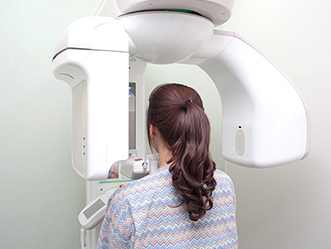
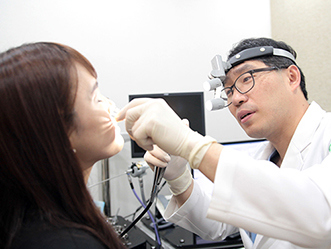
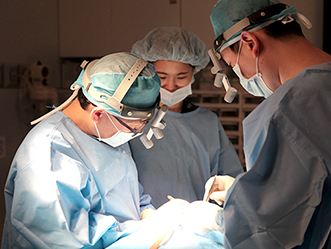
| Simultaneous appropriate treatment of nasal congestion through various precise pre-operative examinations | Rhinoplasty Revision, Rhinoplasty Revision - GNG Hospital ENT Department Prevention of nasal congestion through ENT endoscopy during surgery | Rhinoplasty Revision - GNG Hospital ENT Department Minimally resected septum using GNG technology, minimizing septal overlap during septal extension | GNG Hospital follows a diagnosis-first process for cosmetic revision: 1. Comprehensive Consultation: The surgical team discusses the patient's specific concerns and aesthetic goals in detail, understanding what aspects of the prior result are unsatisfactory.
- Diagnostic Re-Evaluation: 3D-CT imaging and precision testing assess the current state of the patient's nasal structure, including any existing implant, altered cartilage, or scar tissue from the first surgery.
- Revision Surgical Planning: Based on these findings, a surgical plan is developed that addresses both the aesthetic concern and any underlying structural factors contributing to it.
- Revision Surgery: The correction is performed, which may involve implant removal and replacement, cartilage grafting, or reshaping of the bridge, tip, or alar structures depending on the individual case.
- Immediate Aftercare: Patients receive guidance on swelling management and activity restrictions during the initial recovery period.
- Follow-Up: Follow-up visits monitor healing and how the revised shape settles as swelling resolves over subsequent weeks. * * * ## Results, Safety, and Longevity of Cosmetic Revision Rhinoplasty Revision rhinoplasty is generally more technically demanding than a first-time procedure, since the surgical team must work with altered anatomy, existing scar tissue, and sometimes previously placed implant material. For this reason, GNG Hospital emphasizes thorough diagnostic re-evaluation before any revision surgery is planned, rather than proceeding directly to a second operation based on the current appearance alone. As with any surgical procedure, possible side effects can include swelling, bruising, infection, or asymmetry, and results and recovery vary significantly from patient to patient given the added complexity of revision cases; serious complications are uncommon but possible. Patients considering revision should understand that outcomes can be constrained by the condition of existing tissue, and a thorough consultation is the best way to set realistic expectations for what a second surgery can achieve. * * * ## Why Choose GNG Hospital for Cosmetic Revision Rhinoplasty?
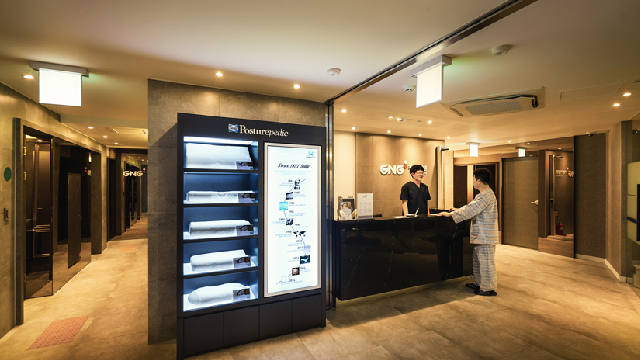 GNG Hospital is Korea's most dedicated rhinoplasty-only hospital, built on more than 15 years of singular focus on nasal medicine, with a surgical team composed primarily of board-certified ENT specialists rather than general plastic surgeons. According to 2024 HIRA (Health Insurance Review and Assessment Service) national data, GNG Hospital performed more septoplasty procedures than any other hospital-level medical institution in the country, and roughly 1 in every 2 rhinoplasty patients in Korea chose GNG for their surgery — a verifiable statistic reflecting sustained surgical experience across the full range of rhinoplasty techniques, including revision cases. This depth of experience is reflected across the surgical team. Dr. Yong-Hae Seong brings 26+ years of ENT practice as Director of the Rhinoplasty Clinic, joined by Dr. Sung-Moon Hong, Dr. Sung-Hun Lee, Dr. Young-Ha Lee, and Dr. Sun-Hong Kim, each contributing 20+ years of focused rhinology and facial surgery experience, with memberships in organizations such as the International Rhinologic Society and the American Academy of Aesthetic Plastic Surgery. GNG's care model is fully integrated within a purpose-built 13-story facility featuring HEPA-filtered operating rooms and university-hospital-grade diagnostic equipment, meaning diagnostic re-evaluation, revision surgery, and post-operative recovery all take place under one roof. The hospital also provides dedicated support for international, English-speaking patients from consultation through recovery, in a Gangnam, Seoul setting built for comfort and continuity of care. GNG Hospital's Cosmetic Revision Rhinoplasty Advantages: - Thorough diagnostic re-evaluation before any revision surgery is planned, rather than treating symptoms alone
- Surgical team with 20+ years of average rhinoplasty experience per specialist, including revision-specific cases
- Option to transition from synthetic implant to autologous tissue-based results for a more natural outcome
- Integrated facility allowing consultation, imaging, surgery, and recovery within a single location * * * ## Real Patient Examples ### Asymmetric Bridge Patient, 20s Dissatisfied with a visible asymmetry that developed after a first rhinoplasty elsewhere, this patient underwent diagnostic re-evaluation at GNG Hospital that identified a shifted implant as the likely cause. Revision surgery addressed the underlying positioning issue alongside the cosmetic correction. ### Implant Show-Through Patient, 30s After noticing their implant had become increasingly visible under the skin over time, this patient sought revision at GNG Hospital. Following consultation, the surgical team transitioned the patient to an autologous cartilage-based approach for a softer, more natural result. * * * ## Take the Next Step Toward the Result You Originally Wanted If your first rhinoplasty didn't deliver the result you expected, a thorough diagnostic re-evaluation can identify what happened and whether a revision can bring you closer to your original goals. Schedule Your Cosmetic Revision Rhinoplasty Consultation Take the first step toward correcting an unsatisfactory rhinoplasty result. Our surgical team will conduct a comprehensive diagnostic re-evaluation of your current nasal structure, discuss what may have contributed to your dissatisfaction, and walk you through a personalized revision plan designed around realistic, achievable goals. Prefer to speak with someone directly? Call our patient coordination team to discuss your goals and schedule your evaluation with GNG Hospital's Rhinoplasty Clinic.
Other Services
Explore additional treatments offered by our specialists.
Cosmetic Revision Rhinoplasty
Cosmetic Revision Rhinoplasty addresses dissatisfaction with the aesthetic outcome of a prior nose surgery — whether that's an asymmetric result, a bridge or tip shape that didn't turn out as planned, a visible or palpable implant, or an overall proportion…
Learn More

Implant-Free Rhinoplasty
Implant-Free Rhinoplasty (also called No-Implant) raises the nasal bridge and shapes the tip using zero synthetic implants — no silicone, no Gore-Tex.
Learn More

Hump Nose (Aquiline Nose)
Hump nose correction is often assumed to be a simple matter of shaving down the protruding bone — but that assumption misses an important structural reality.
Learn More