Personalized Medical Care & Dedicated International Patient Concierge


Specialty Overview
Nasal Obstruction Surgery
Nasal obstruction surgery refers to a group of ENT procedures designed to restore normal airflow through the nose when breathing is blocked by a structural or inflammatory problem.
Schedule a ConsultationWhat Does Nasal Obstruction Surgery Mean in ENT and Nose Surgery?  Nasal obstruction surgery refers to a group of ENT procedures designed to restore normal airflow through the nose when breathing is blocked by a structural or inflammatory problem. Rather than one single operation, it covers several distinct issues that can each cause the same symptom: a deviated septum, a collapsed or narrowed nasal valve, chronic rhinitis, or sinusitis. In practice, this specialty combines diagnostic imaging (3D-CT and nasal endoscopy) with structural correction techniques, such as minimal-excision septoplasty, to fix the underlying cause rather than simply managing the symptom. Where the nasal valve — the narrowest part of the airway, sometimes described as the "roof" of the nose — is also narrowed, nasal valve reconstruction is carried out alongside septal correction, since septal correction alone often cannot fully resolve obstruction in these cases. This differs from purely medical management of nasal symptoms (such as long-term decongestant or antihistamine use), which can ease symptoms temporarily but does not correct an underlying structural deviation. When the airway problem is anatomical, structural correction is generally the approach that addresses the root cause. * * * ## Advanced Nasal Obstruction Surgery in ENT and Nose Surgery — Key Procedure for Expert, Patient-Focused Care Living with chronic nasal obstruction affects far more than breathing comfort. Patients often describe ongoing nasal congestion, one-sided or alternating blockage, disrupted sleep — particularly when lying on one side — frequent headaches, sore throat from mouth breathing, and reduced concentration during the day. For many, these symptoms have been present for years, sometimes dismissed as "just how my nose is," without ever being properly diagnosed. It's understandable to feel discouraged after trying decongestant sprays, allergy medication, or humidifiers with limited or temporary relief. When the cause is structural, these approaches will not resolve it. Patients do not have to keep adjusting their lives around a nose that won't let them breathe properly. At GNG Hospital, this concern is met with dedicated attention: the hospital's entire clinical team is organized around nasal and rhinologic conditions, meaning every consultation begins with a precise diagnostic process before any treatment decision is made. Care is centered on comfort, safety, and structural accuracy — from the initial 3D-CT and endoscopic evaluation through to the surgical plan itself. According to Health Insurance Review and Assessment Service (HIRA) data, GNG Hospital has performed the highest number of septoplasty procedures among hospital-level medical institutions nationwide, with 2024 data showing that one in every two septoplasty patients in Korea underwent surgery at GNG. This concentrated clinical focus allows the team to approach even complex or previously undiagnosed nasal obstruction cases with a level of specialization not typically available in general ENT settings. * * * ## Specialty Services & Treatments for Nasal Obstruction Surgery and Main Conditions in ENT and Nose Surgery
 GNG Hospital's Nasal Obstruction Surgery program addresses the following conditions: - Deviated Septum Correction — Structural correction of a bent or twisted nasal septum using a minimal-excision technique, removing or reshaping only the curved portion of cartilage to preserve the septum's structural support role
- Nasal Valve Reconstruction — Structural correction of a narrowed or collapsed nasal valve (the "roof" of the nasal airway), performed when septal correction alone is insufficient to resolve airflow obstruction
- Rhinitis Treatment — Management of chronic inflammatory nasal mucosa conditions contributing to persistent nasal congestion
- Sinusitis Treatment — Treatment of sinus inflammation and associated nasal obstruction symptoms This clinic's strength lies in its ability to evaluate all four of these overlapping causes together during a single diagnostic workup, rather than treating nasal obstruction as a single, one-size-fits-all condition. Because septal deviation, nasal valve narrowing, rhinitis, and sinusitis frequently occur in combination, an ENT team experienced in isolating and addressing each cause individually is often better positioned to achieve a complete resolution of symptoms. * * * ## Why Choose GNG Hospital Rhinoplasty Clinic for Nasal Obstruction Surgery in ENT and Nose Surgery
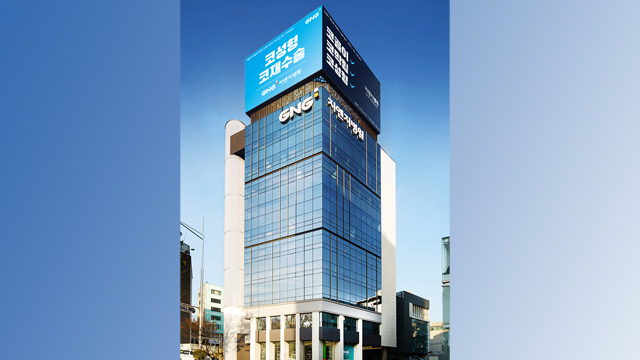 Patients considering nasal obstruction surgery are choosing a procedure that affects daily breathing, sleep, and long-term nasal structure — the clinic and surgical team behind that decision matter. Clinic USPs: - A hospital built entirely around nasal surgery. GNG Hospital does not divide its ENT focus across unrelated specialties — the entire clinical structure is centered on nasal and rhinologic conditions, meaning every case benefits from concentrated, condition-specific experience.
- Leading national surgical volume, confirmed by independent data. Per HIRA's own database, GNG Hospital has performed more septoplasty procedures than any other hospital-level institution nationwide, with one in two national septoplasty patients treated here in 2024.
- Minimal-excision technique aimed at reducing complications and recurrence. Rather than removing large portions of septal cartilage — which can weaken the septum's structural support — the surgical team uses advanced 3D-CT and nasal endoscopic diagnosis to plan and remove only the deviated portion, aiming to lower both complication risk and the chance of the deviation recurring.
- Combined structural and cosmetic correction where appropriate. For patients whose nasal obstruction is accompanied by a cosmetic concern, structural correction and rhinoplasty can, in appropriate cases, be addressed within the same clinical plan — supported by a team with parallel rhinoplasty expertise.
- A team of seven specialists across ENT and anesthesia. Care is delivered by a multi-specialist team, adding both surgical depth and dedicated anesthesia oversight for patient safety during procedures. Patients evaluating where to have nasal obstruction surgery performed are encouraged to consider not only the specific procedure, but the depth of institutional experience behind it. * * * ## Meet the Specialists in Nasal Obstruction Surgery |
 |
 |
 |
 |
| --- | --- | --- | --- |
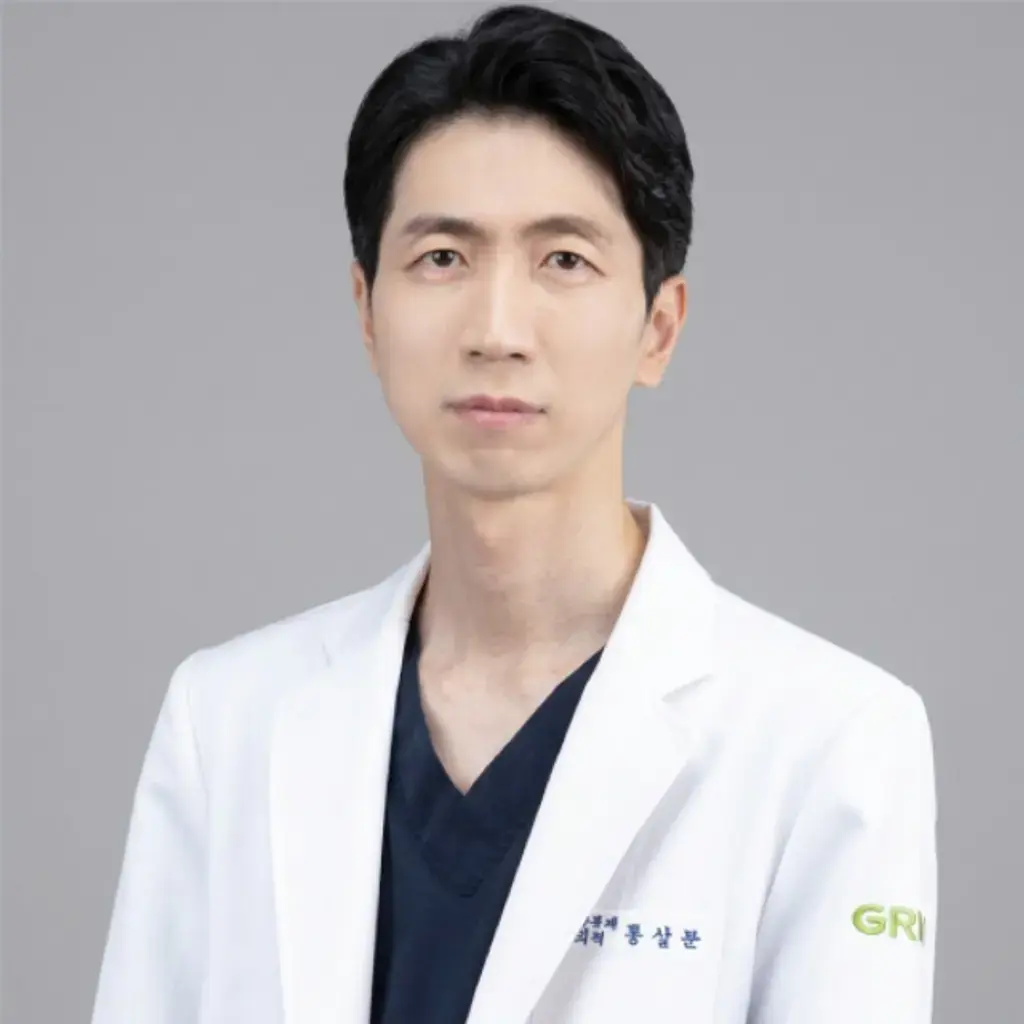
| Dr. Yong-Hae Seong ENT Specialist | Dr. Sung-Moon Hong ENT Specialist | Dr. Sung-Hun Lee ENT Specialist | Dr. Young-Ha Lee Board-Certified ENT Specialist |
| |
 |
 | |
| Dr. Sun-Hong Kim ENT Specialist | Dr. Do-Jin Hyun Sleep Medicine Doctor | Dr. Hee-Jung Park Anesthesiology Doctor | | GNG Hospital's Nasal Obstruction Surgery team includes: - Dr. Yong-Hae Seong — ENT Specialist with over 26 years of experience; Associate Professor, Catholic University of Korea; trained through internship and residency at Gangnam St. Mary's Hospital - Dr. Sung-Moon Hong — ENT Specialist with over 21 years of experience; Associate Professor, Korea University; holds a Doctor's Degree in Medicine from Korea University
- Dr. Sung-Hun Lee — ENT Specialist with over 20 years of experience; trained at Seoul St. Mary's Hospital, where he also served as a Rhinologist
- Dr. Young-Ha Lee — ENT Specialist; Board-Certified at Yeungnam University Hospital, with clinical and assistant professor roles at Wonju Severance Christian Hospital and prior clinical instruction at Asan Medical Center, Seoul
- Dr. Sun-Hong Kim — ENT Specialist; trained at Inje University Medical College and the Catholic Medical Center; Clinical Professor at Catholic University of Korea, Seoul St. Mary's Hospital
- Dr. Do-Jin Hyun — Sleep Specialist with over 15 years of experience; Registered Polysomnographic Technologist and Associate Professor, Catholic University of Korea, with particular focus on the relationship between nasal airway obstruction and sleep-related breathing conditions
- Dr. Hee-Jung Park — Specialist in Anesthesia with over 21 years of experience, supporting the surgical team's patient safety protocols during nasal obstruction procedures Across the team, care is grounded in a shared, evidence-based approach: precise structural diagnosis before treatment, and surgical techniques chosen to preserve long-term nasal function rather than only resolve short-term symptoms. * * * ## International Patients & Global Support for Nasal Obstruction Surgery Care Patients traveling from abroad for nasal obstruction surgery can expect a structured process designed to make evaluation and treatment planning manageable from a distance, with in-person coordination once they arrive for consultation and surgery. International patients considering care at GNG Hospital typically benefit from: - Pre-arrival consultation coordination to review medical history and prior diagnostic findings
- On-site diagnostic evaluation using 3D-CT and nasal endoscopy prior to any treatment decision
- Clear communication of the surgical plan, including which structural issues (septum, nasal valve, rhinitis, or sinusitis) are being addressed and why
- Post-treatment follow-up guidance to support recovery after returning home From first inquiry to the return trip home, the goal is a clear, well-coordinated medical journey — one where international patients can feel confident that the same diagnostic rigor and surgical standards applied to domestic patients are applied to their care as well. * * * ## Real Patient Journeys for Nasal Obstruction Surgery ### Patient 1 A patient in their late twenties sought evaluation after years of alternating nasal congestion and disrupted sleep, having previously used decongestant sprays with only temporary relief. Diagnostic imaging identified a deviated septum with an accompanying narrowed nasal valve. The surgical plan addressed both structures in a single procedure, and the patient reported easier nighttime breathing during follow-up visits in the weeks after surgery. ### Patient 2 A patient in her forties had lived with chronic sinus congestion and recurring headaches for several years, initially attributing the symptoms to seasonal allergies. After these symptoms persisted despite ongoing allergy treatment, evaluation identified chronic sinusitis alongside mild rhinitis contributing to her nasal obstruction. Treatment addressed both conditions together, and at follow-up, she reported a noticeable reduction in congestion and headache frequency. Individual results vary based on the specific structural and inflammatory factors present in each case, and any patient considering surgery should undergo a full diagnostic evaluation before treatment decisions are made. * * * ## What to Expect from Nasal Obstruction Surgery Treatment Process ### Step 1: Initial Consultation Your visit begins with a detailed discussion of your breathing symptoms, sleep patterns, and any prior treatments tried. This is followed by 3D-CT imaging and nasal endoscopy to identify exactly which structures — septum, nasal valve, sinus, or nasal mucosa — are contributing to your obstruction. ### Step 2: Personalized Treatment Plan Based on your diagnostic findings, your ENT specialist outlines which of the available treatments (septal correction, nasal valve reconstruction, rhinitis management, or sinusitis treatment) apply to your case, and whether more than one issue needs to be addressed together. If a cosmetic concern is also present, combined structural and cosmetic correction may be discussed at this stage. ### Step 3: Ongoing Follow-Up After treatment, your care team monitors healing and airway function, adjusting post-treatment guidance as needed. For international patients, follow-up communication is coordinated to support recovery after returning home. * * * ## Final CTA for Nasal Obstruction Surgery & Main Procedures Ready to Breathe Freely? Talk to GNG Hospital's ENT Team Today If chronic nasal congestion, disrupted sleep, or recurring sinus symptoms have been part of your daily life for longer than you'd like, a precise diagnosis is the first step toward a lasting solution. GNG Hospital's team of ENT specialists uses advanced 3D-CT and endoscopic evaluation to identify the exact structural or inflammatory cause of your nasal obstruction — whether that's a deviated septum, a narrowed nasal valve, chronic rhinitis, or sinusitis — before recommending any treatment path. You don't need to keep guessing at the cause or continuing to rely on temporary relief. Schedule a Consultation To speak with our care team directly and arrange a diagnostic evaluation, please contact GNG Hospital's appointment desk. Our coordinators can guide you through scheduling, required pre-visit information, and — for patients traveling from abroad — the process for coordinating your consultation and treatment timeline in advance.
Related Services
Procedures available within our clinical departments.

Cosmetic Revision Rhinoplasty
Cosmetic Revision Rhinoplasty addresses dissatisfaction with the aesthetic outcome of a prior nose surgery — whether that's an asymmetric result, a bridge or tip shape that didn't turn out as planned, a visible or palpable implant, or an overall proportion…
Learn More

Implant-Free Rhinoplasty
Implant-Free Rhinoplasty (also called No-Implant) raises the nasal bridge and shapes the tip using zero synthetic implants — no silicone, no Gore-Tex.
Learn More

Hump Nose (Aquiline Nose)
Hump nose correction is often assumed to be a simple matter of shaving down the protruding bone — but that assumption misses an important structural reality.
Learn More